
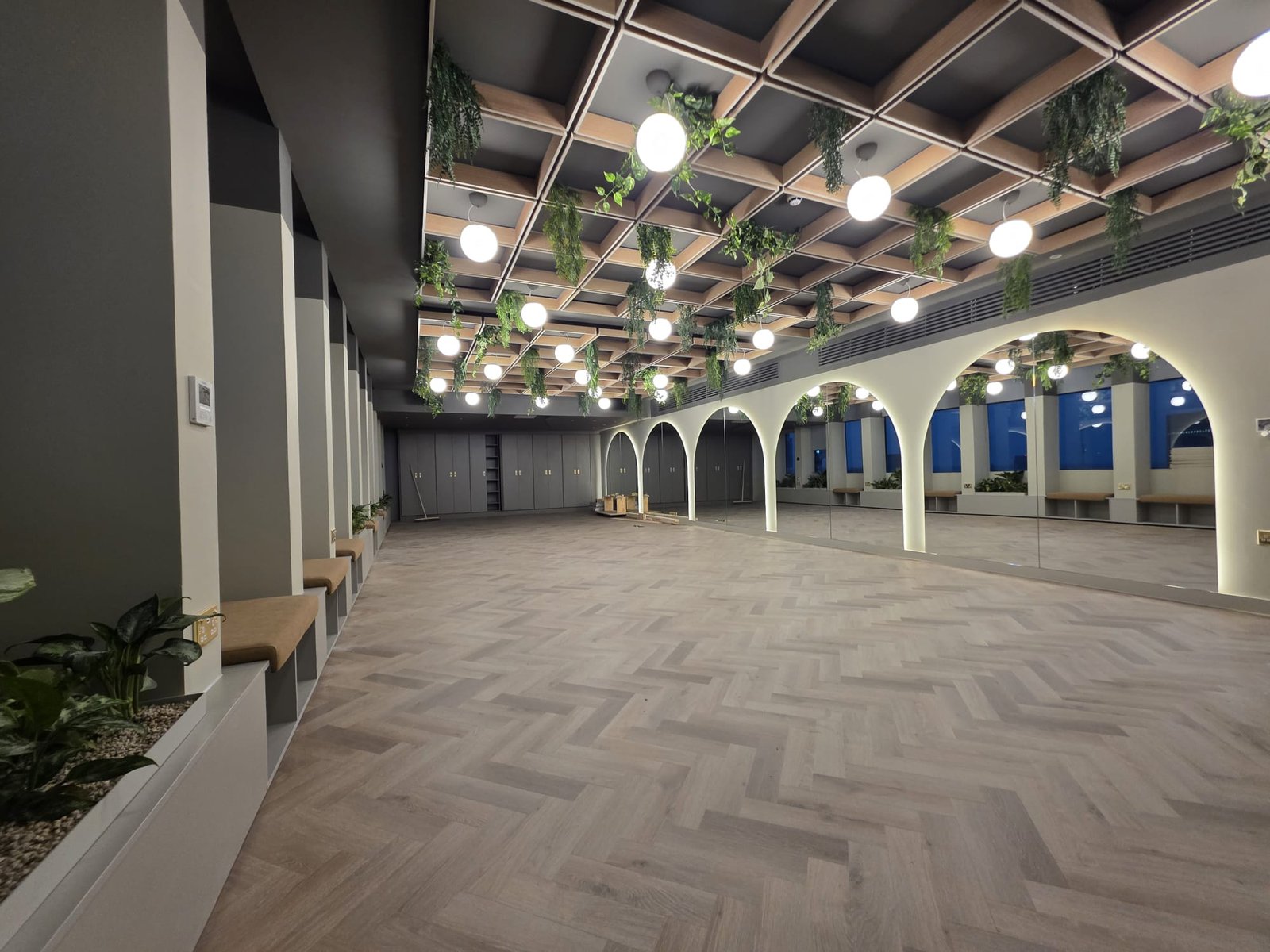
Repainting a working building is rarely about the paint. For most facilities and estates managers, the real worry with commercial painting and decorating is what happens to staff, visitors and daily operations while the work is under way.
The good news is that disruption is mostly decided before a brush is lifted. A clear scope, a sensible sequence and an honest conversation about how the building is used will do more for your project than any product choice.
Key Takeaways
- Agree the scope room by room before you ask for a price.
- Phase the work around how each area of the building is used.
- Preparation decides how long the finish lasts.
- Check vetting and health and safety accreditation early.
Start Your Commercial Painting and Decorating Project With a Clear Scope
Vague briefs lead to vague prices. Before you invite a contractor to site, walk the building and note which areas need work, what condition they are in and who uses them. A room-by-room scope gives everyone the same picture and makes quotes far easier to compare.
A site survey is where that scope gets tested. A contractor who looks closely at surfaces, access and working hours at this stage is far less likely to surprise you later. It is also your chance to raise the awkward details: the server room that cannot be dusty, the corridor that doubles as a fire route, the reception that has to look presentable every day.
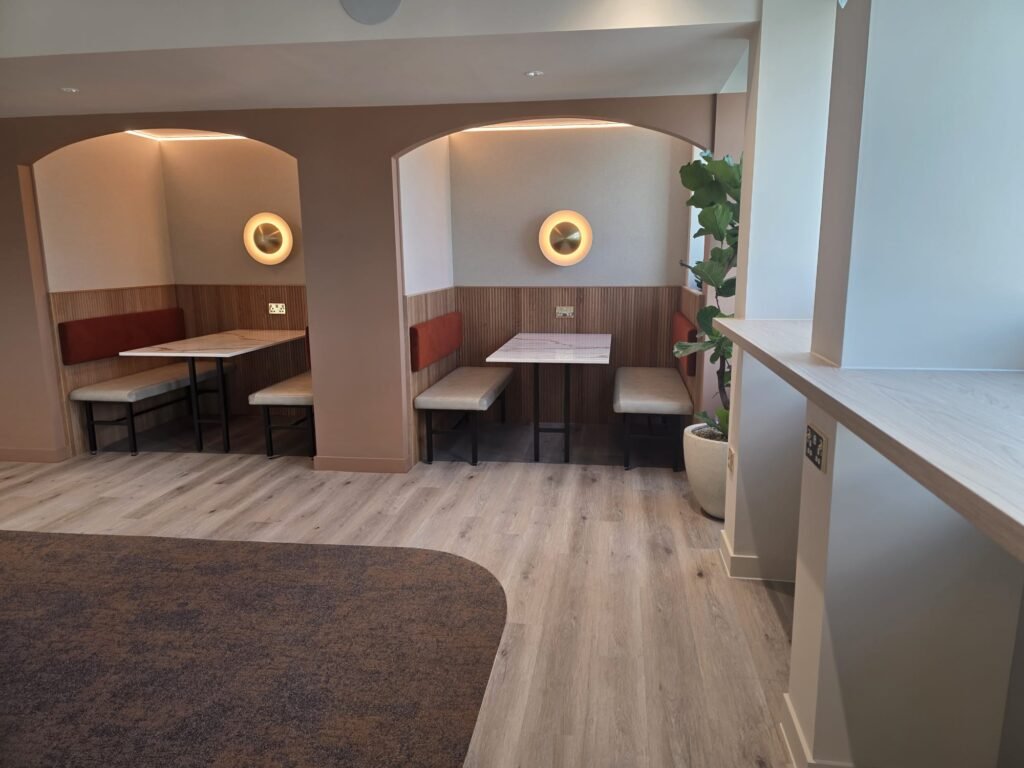
Phase Commercial Painting and Decorating Around How the Building Is Used
Few commercial buildings can close for a fortnight. The answer is phasing: breaking the job into areas and agreeing the order in which each one is handed over and returned.
- Quiet areas first: store rooms, plant areas and unused offices let the team build momentum without affecting anyone.
- Shared spaces in short windows: receptions, corridors and stairwells are best tackled in tight, well signed sections.
- Busy rooms last: meeting rooms and open-plan areas can be scheduled around bookings and team diaries.
Our commercial painting and decorating service is built around this approach, with each phase agreed with your team before work begins.
Why Preparation Matters More Than the Final Coat
It is tempting to judge a decorating job by the finished colour. In practice, preparation decides how long the finish lasts. Filling, sanding, sealing stains and making good damaged areas all happen before the first coat, and they separate a finish that holds up from one that needs redoing.
Ask how preparation is described and priced in your quote. If it is missing, or reduced to a single line, treat that as a prompt to ask more questions.
Choose Finishes That Suit Each Space
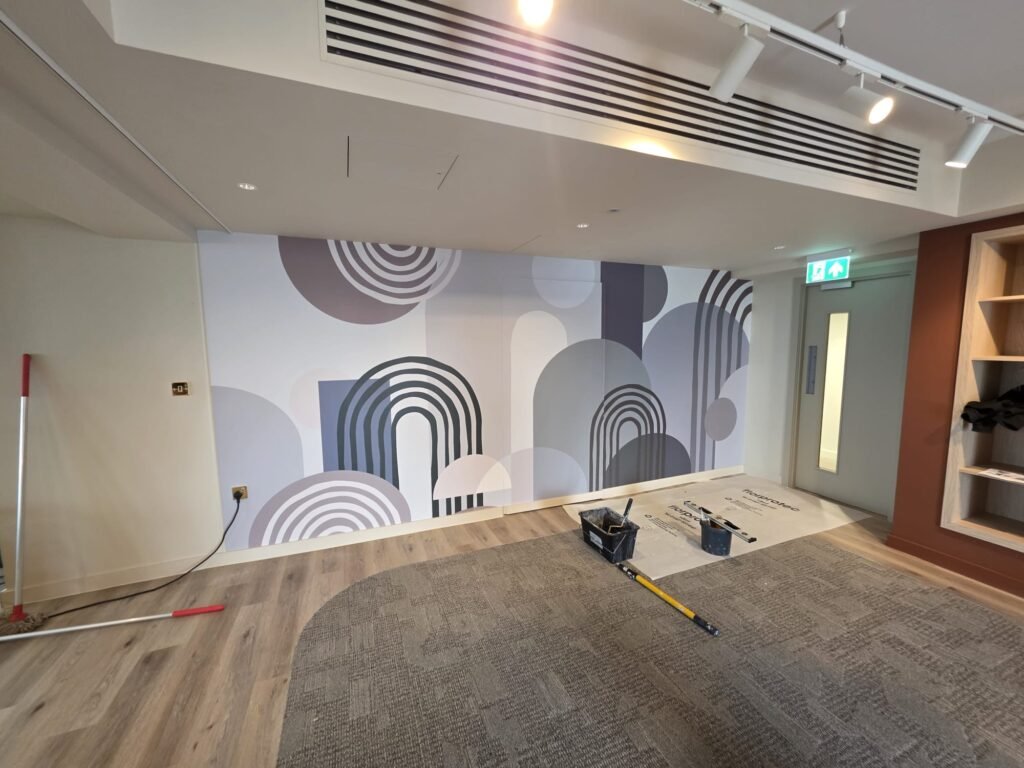
Not every wall has the same job. Corridors, stairwells and entrances take daily knocks, so they benefit from harder-wearing finishes that can be wiped down. Offices and meeting rooms can take a softer finish that is easier on the eye.
A good contractor will explain these choices in plain terms and match the specification to how each area is used, so you are not paying for durability where it is not needed.
Check Who Will Be Working in Your Building
In an occupied building, the people matter as much as the paintwork. You are letting a team into spaces used by your staff, customers or pupils, so it is reasonable to ask about vetting, experience and health and safety.
At Decor Plus, team members are appropriately vetted for the environments in which they work, and the company is SafeContractor accredited. With 30 years of experience across offices, schools, healthcare sites and public buildings, the team is used to working around people who still have a job to do.
A well planned decorating project should feel like a series of small, tidy handovers, not one long interruption.
Keep Communication Simple During the Work
Most frustration on decorating projects comes from not knowing what happens next. Agree one point of contact on each side and a short update at the start of each phase. Staff cope well with a little noise or a closed corridor when they have been told in advance.
Simple signage, protected floors and a tidy site at the end of each day go a long way too.
If you are planning commercial painting and decorating in the North West or Wales, speak to the Decor Plus team to arrange a site survey.